Photo credit: Adobe Stock
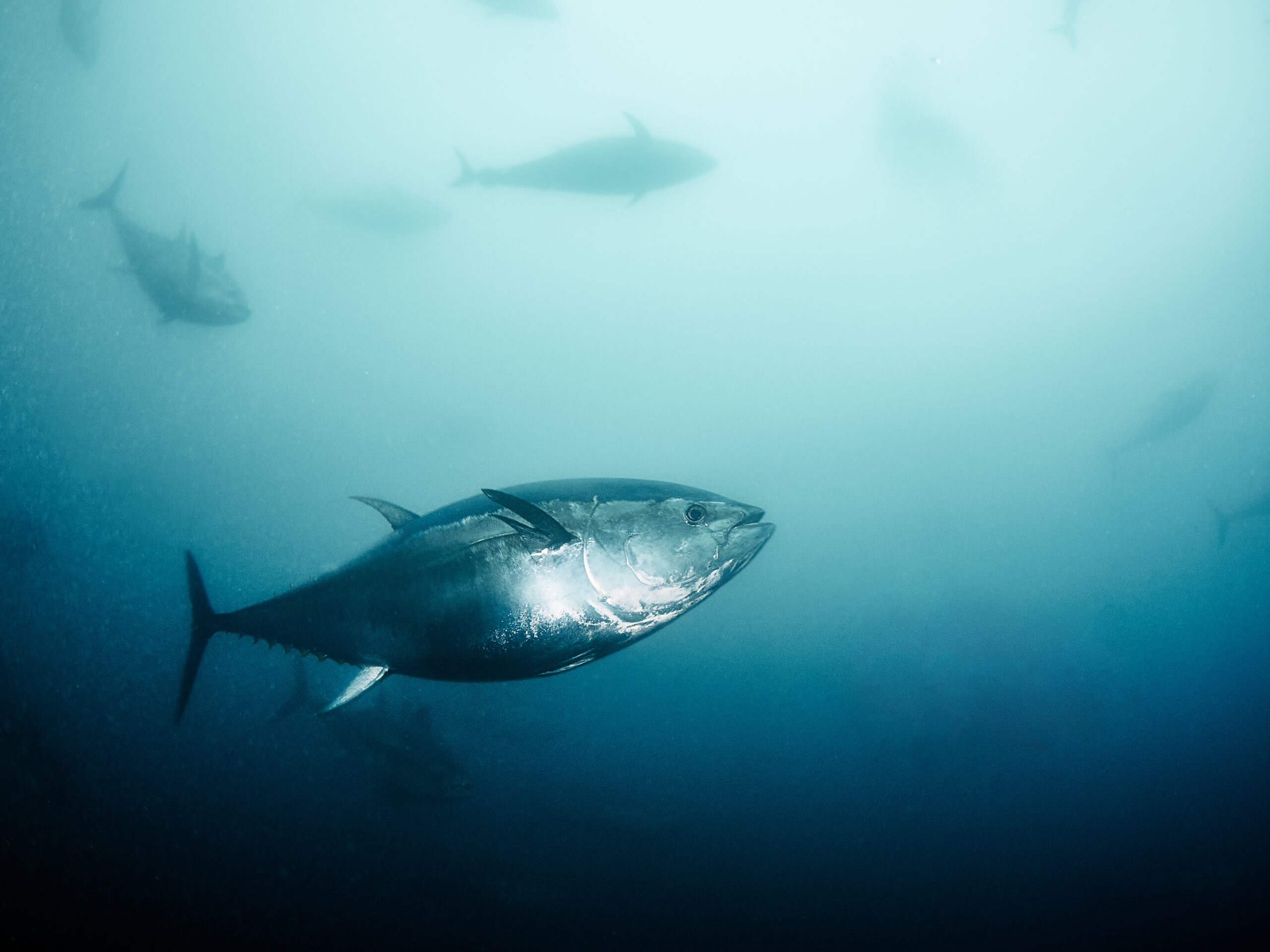
Atlantic bluefin tuna have returned to UK waters in large numbers after largely disappearing in the 1960s, and their recovery is one of the examples WWF uses in its latest global assessment of wildlife. The Living Planet Report 2026, published with the Zoological Society of London on 8 October, finds that monitored vertebrate populations fell by an average of 73 per cent between 1970 and 2022, while pointing to individual recoveries as evidence that targeted conservation can reverse declines.
What the index measures
The figure comes from an index covering 35,803 population trends for 5,790 vertebrate species. It measures the average change in population size, not the share of animals lost, and about half of the populations tracked are stable or growing, with those gains outweighed by declines elsewhere. Freshwater populations show the steepest fall, at 85 per cent, followed by terrestrial populations at 69 per cent and marine populations at 59 per cent. Dr Katie Collins, a senior curator at the Natural History Museum, has pointed out that the index covers only vertebrates, leaving out plants, insects and the other invertebrates that many vertebrates rely on.
Bluefin in British waters
Britain once supported sizeable tuna fisheries, but overfishing of bluefin and of the smaller fish it feeds on removed the species from UK waters within a generation. The report credits a long-running international effort for its return: catch limits were cut, minimum landing sizes introduced and spawning areas protected, with campaigns by consumers, chefs and retailers helping to sustain support. Hannah Rudd, head of marine at the Angling Trust, told the BBC the species was a “golden case study” in effective fisheries management. Bluefin numbers are also rising in the Mediterranean following tighter fisheries rules.
The UK fishery reopened on 13 July with 30 commercial vessels permitted to fish by rod and line, double the number last year, and a per-vessel quota raised from three to four tonnes, the MMO announced. All 89 charter vessels that applied for the catch-and-release recreational fishery received permits, with a further 56 private vessels selected by ballot.
Other recoveries and the drivers of loss
Other recoveries in the report include wild tigers, up from around 3,200 in 2010 to about 5,700 in 2025, and the green sea turtle, which last year became the first marine turtle to be downgraded from endangered to least concern. Mike Barrett, chief scientific adviser at WWF-UK, said the successes came where defined goals were backed by workable plans. WWF argues that conservation projects alone cannot reverse the overall trend unless the food, energy and finance systems driving the losses change. It estimates that in 2023 around $7.3 trillion flowed into activities that harm nature, against roughly $220 billion spent on protecting or restoring it.
Sources: