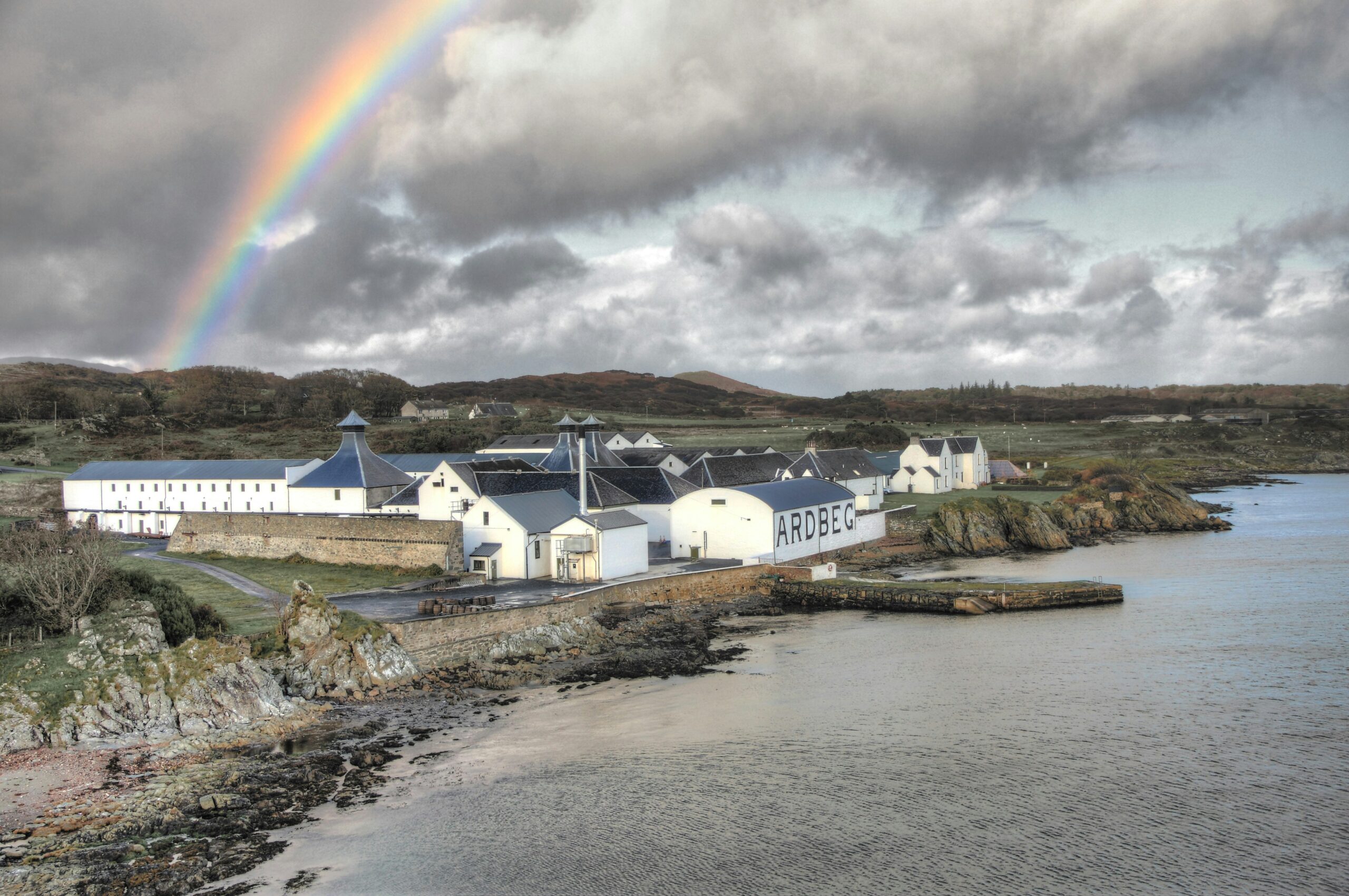
Photo by François Hoppet
Scotland’s tidal energy sector is best known for large machines, such as the 1.5MW turbines of the MeyGen array in the Pentland Firth and Orbital’s 2MW floating turbine in Orkney. A Glasgow company is taking a different approach: a turbine small and simple enough for fishermen to build and launch from their own harbours.
Flex Marine Power’s Swimmer Turbine is a 50kW tidal generator that sits invisibly below the surface, anchored to the seabed. As BBC Scotland reports, it can generate enough electricity to power about 30 homes. It arrives as a kit of about 20 components in a shipping container and can be launched from a slipway without cranes or heavy lifting equipment.
From a Highland river to Islay
Engineer David Mummery, who founded the company in 2011, developed the concept after years working on utility-scale marine energy, including a secondment on the Pelamis wave power project in Orkney. He said the large projects felt out of step with the communities he was working in.
“The equipment was all really big, utility-scale stuff that would weigh hundreds of tonnes, shipped by people from the mainland,” he told the BBC. “All the people I was meeting in harbours or in the pub were fishermen. And they were knowledgeable and they were interested. I thought ‘we’ve got to do this in a way that they can take the lead’.”
After a prototype trial off Luing, near Oban, in 2015, the company carried out a full-scale proof of concept at Strangford Narrows in Northern Ireland in 2020, working with Queen’s University Belfast. That helped secure £968,000 from the government’s Energy Entrepreneurs Fund to develop a commercial model. The company’s website also lists Innovate UK support for its second-generation SW2 turbine.
The commercial version was tested on Islay last year, where local people were trained to assemble and launch it. “It was all local people. Fishermen, using their own tractor, launching it down their own slipway,” Mummery said. “This was my vision in a nutshell.”
Next step: power for the island
The company plans to return to Islay next year to generate electricity for the island. Mummery envisages several small arrays around the coast, owned by different local groups.
“In those real coastal communities, they don’t have flashy cranes and heavy lifting capabilities and big corporate companies with big pockets,” he said. “But what they do have is knowledge and work ethic and a deep understanding of their environment and the sea.”
Small-scale tidal faces familiar hurdles: the cost of grid connection, consenting, and proving reliability over years rather than months. Mummery acknowledges the sector’s history of promising technologies that faltered when “the market doesn’t step up.” Whether a community-owned model can overcome those barriers will become clearer once the Islay deployment starts generating power.