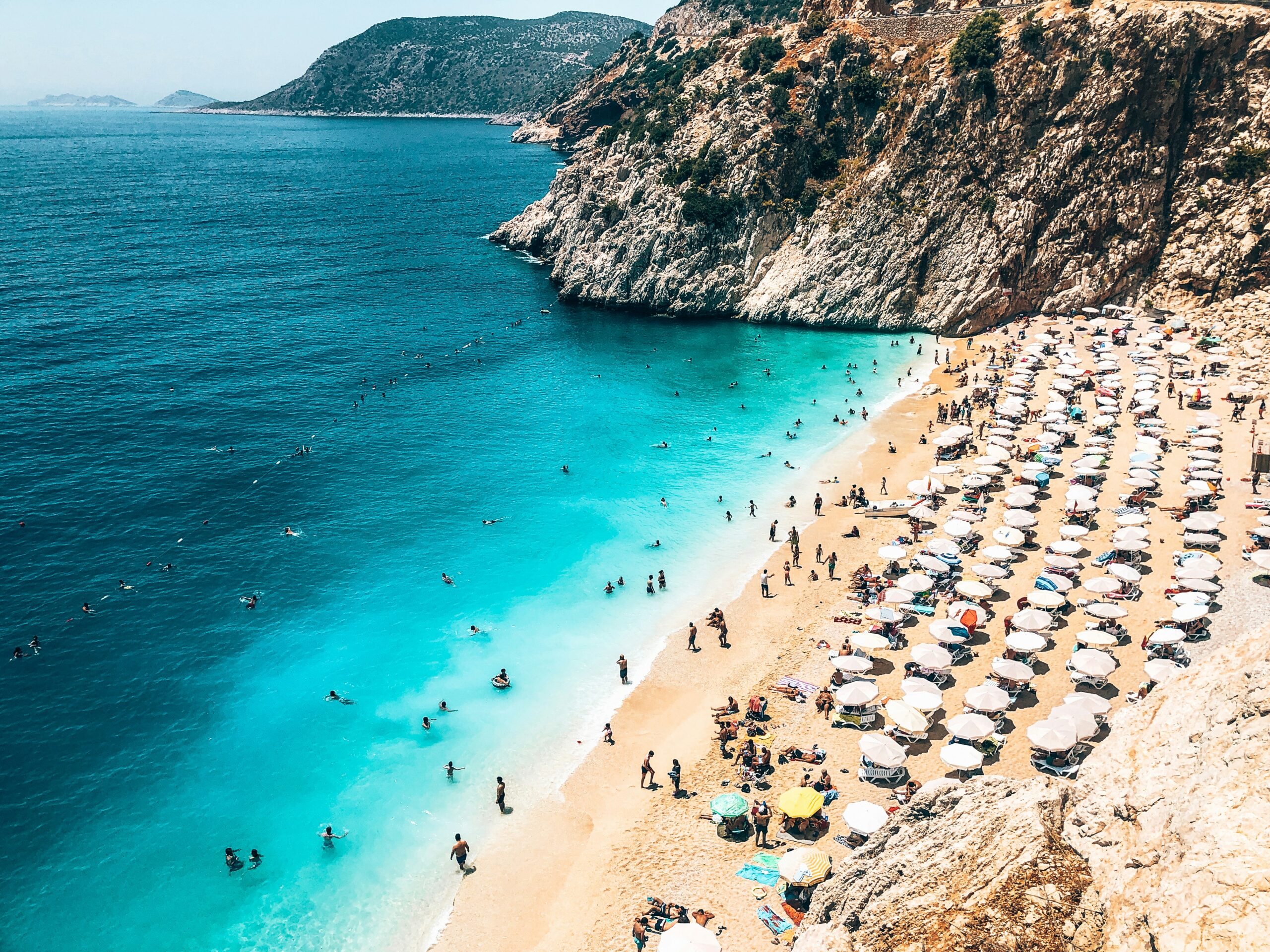
Photo by Atif Zafrak
The UN climate summit COP31 opened on 9 November in Antalya, Türkiye, and runs until 20 November, with the ocean higher on the agenda than ever before, according to ocean policy observers. Under an unusual split arrangement agreed at COP30, Türkiye holds the presidency and hosts the summit, while Australia leads the formal negotiations as President of Negotiations. Heads of state attend a World Leaders’ Summit on 11 and 12 November.
The ocean case for action has rarely been starker. October 2026 was the warmest October on record globally, according to the Copernicus Climate Change Service, and the average sea surface temperature outside the polar regions reached a record for the month as El Niño conditions intensified in the tropical Pacific. Copernicus said 2026 is virtually certain to exceed 1.5°C above pre-industrial levels.
A Blue COP
The push to make COP31 a “Blue COP” has been building all year. In June, more than 150 scientists, policymakers and institutions signed an open letter urging the incoming presidencies to place the ocean at the centre of global climate action. Signatories included Plymouth Marine Laboratory, which highlighted the ocean’s role in absorbing more than 90% of excess heat and around a quarter of global CO2 emissions. At the Pacific pre-COP in Fiji in October, Pacific nations used a plenary session to press for the ocean to be elevated in the COP process.
The presidency is also preparing an Antalya Declaration. Speaking at the UN General Assembly, COP31 President Murat Kurum said: “Work is underway on the Antalya Declaration, a high-level document addressing climate action at the leadership level.”
Science at the centre
The Ocean Pavilion, returning for its fifth year, will host more than 65 events in the Blue Zone. Its organisers are urging countries to move beyond mentions of the ocean in their climate pledges towards concrete measures. “This year provides an unprecedented opportunity for countries to set meaningful ocean protection and monitoring measures into motion,” Scripps Oceanography Director Meenakshi Wadhwa said.
UK science will be represented, with the National Oceanography Centre joining the Ocean Pavilion and presenting on ocean-based technologies and carbon removal on 17 November, the conference’s themed day for ocean, seas and nature.
What to watch
The key test is whether ocean ambition translates into anything formal. Ocean issues have largely sat in non-binding dialogues on the sidelines of the negotiations. Advocates want the ocean reflected in the summit’s outcome text, in countries’ national climate plans and in the next global stocktake, alongside funding and progress on the global target to protect 30% of the ocean by 2030. We will report on the outcomes after the summit closes.