Photo credit: Adobe Stock
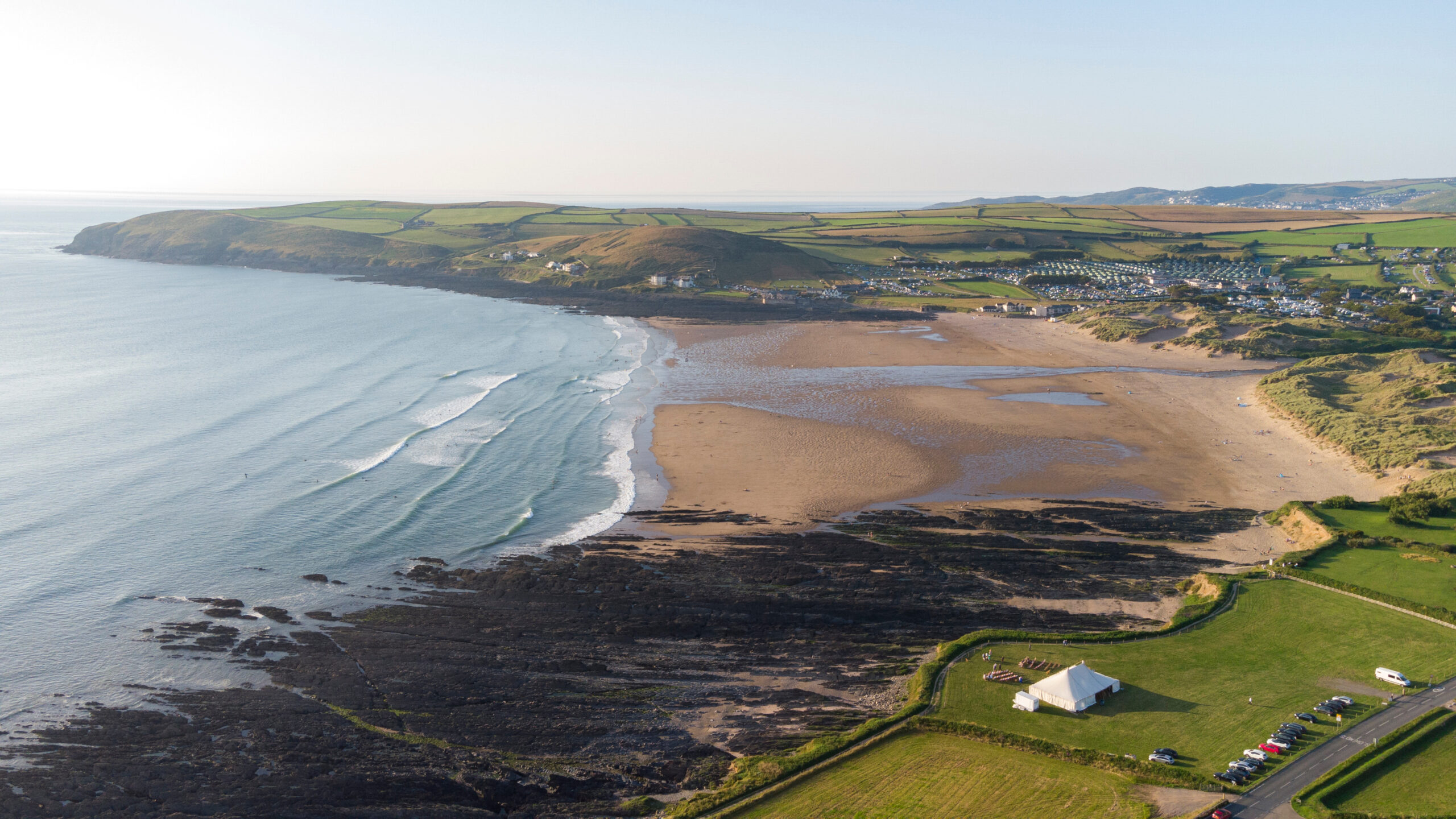
A North Devon surf break is among those identified as vulnerable in a study of how climate change and coastal management could affect internationally recognised waves. The research, by Dan Reineman of California State University Channel Islands with Trent Hodges and Diego Sancho-Gallegos of the Save The Waves Coalition, was published in Climatic Change in late August and widely reported this month. Teams of local experts assessed 57 breaks within 11 World Surfing Reserves across eight countries. Coverage of the study names Croyde alongside Noosa in Australia, Oriente Salvaje in El Salvador and breaks at Santa Cruz in California.
How the risk was assessed
A rideable wave depends on the shape of the seabed and the direction of swell interacting with the tide, so a change in any of these can alter where and how a wave breaks. Of the 57 breaks assessed, 89 per cent carried medium or high risk relating to shoreline resilience, 79 per cent from sensitivity to sea-level rise and 75 per cent from the composition of the seafloor. The findings apply to the breaks studied rather than to surf breaks generally, although the authors want others assessed and included in adaptation planning. Hodges has said that essentially all surf breaks will see some change from climate change, with effects differing from place to place.
Defences and adaptation
The authors find that natural, mobile shorelines cope better than built-up ones. Where a beach can move landward as sea level rises, the surf zone can move with it; seawalls and rock armour fix the shoreline in place and can alter or remove the conditions that create a wave. On that basis the study argues that adaptation planning should account for the natural movement of beaches as well as the buildings and roads behind them. The researchers have developed an assessment tool, SurfCAT, intended to help local managers judge the vulnerability of individual breaks. North Devon was named the UK’s first World Surfing Reserve in 2022. The designation is made by the Save The Waves Coalition, a non-profit, on the basis of a site’s surfing quality and significance to the local community, rather than by government.
Sources:
- Climatic Change: Globally significant surf breaks are vulnerable to climate change
- The Guardian: Climate crisis putting world’s best surf breaks at risk
- Down To Earth: World’s greatest surf breaks vulnerable to climate change, study
- Euronews: This unexpected British coastline has just become a world-class surfing destination