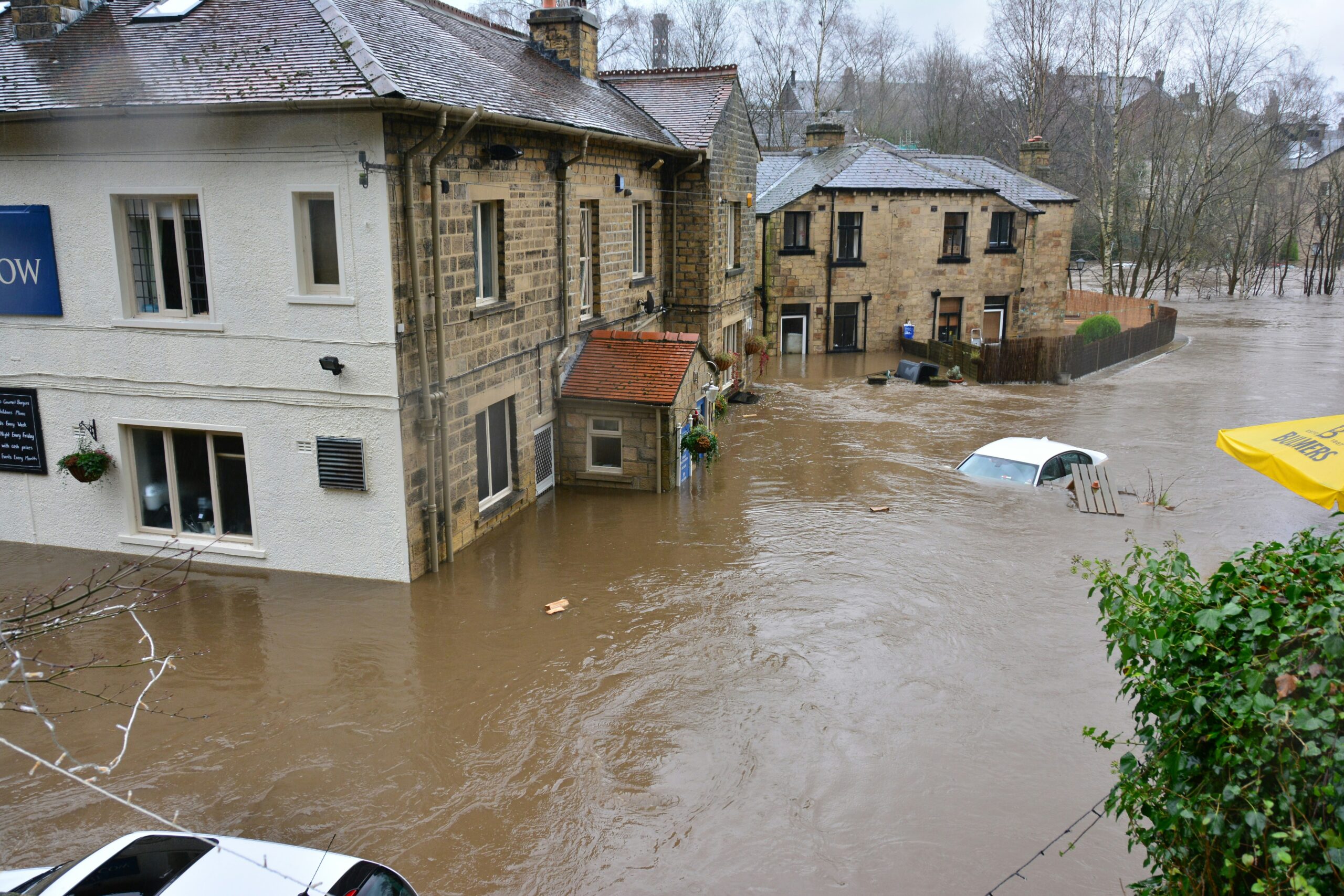
Image description: Bingley Floods Boxing Day 2015 River Aire – Ireland Bridge. Photo by Chris Gallagher on Unsplash
Recovery rarely means a return to normal
On 3 November the Environment Agency published Understanding and supporting the flood recovery process, research into how communities recover after flooding. It argues that recovery should be better integrated into wider flood and coastal erosion risk management. The work combines a review of more than 100 publications, interviews with national stakeholders and case studies in Bewdley, Looe, Sparkhill and Stockdalewath. It found that recovery is rarely straightforward and can last many years, and that it often means adapting to changed circumstances rather than returning to how things were. Experiences vary by place and social group, and mental health impacts such as anxiety and stress can persist long after physical repairs are finished.
What makes support work
People affected by flooding take on substantial practical, emotional and administrative work during recovery. The research found that clear communication, a visible and accessible presence, coordinated working between agencies and long-term engagement make support more effective, and that community networks and local action play a critical role. Flood Re’s Build Back Better scheme, which offers up to £10,000 towards property flood resilience measures, has helped increase uptake of those measures, but the research suggests support for resilient repair could go further. The EA identifies six areas for improvement: better communication and coordination between organisations, improved access to mental health and wellbeing support, greater support for resilient repair and rebuilding, more consistent administration of grants and recovery schemes, better support for vulnerable groups, businesses and children, and closer integration of recovery into wider flood and coastal erosion risk management.
Relevance for water companies and risk authorities
The findings are relevant to water companies and flood risk authorities that work alongside local authorities and communities during and after flood events, particularly on coordination, communication and the role of property flood resilience.
Sources: