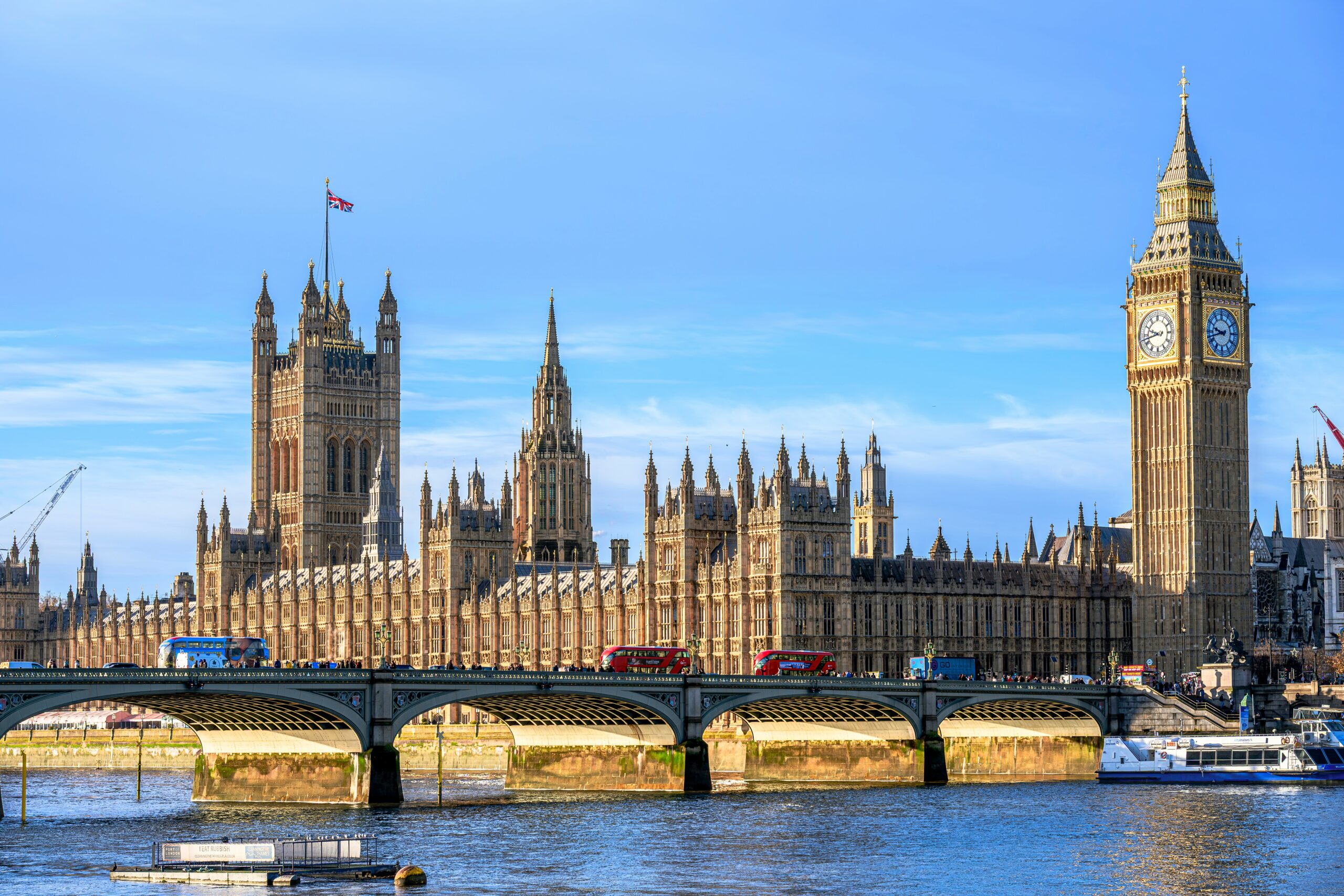
Image description: The Palace of Westminster, the UK Houses of Parliament, standing beside the river Thames. Photo by paul silvan on Unsplash
The House of Commons Environment, Food and Rural Affairs (EFRA) Committee published Reforming the water sector: protecting the environment and consumers on 4 November 2026, setting out recommendations for the forthcoming Water Bill. The cross-party committee argues that the current regulatory regime fails to incentivise improvement, and calls for a more interventionist approach that can tackle emerging risks. A central recommendation is that the new regulator should assess the cumulative impact of frequent, lower-level pollution incidents, with the combined effect monitored and penalised. It also wants national targets to reduce pollution incidents and supply interruptions, third-party verification of company data, new standards for inspecting company infrastructure, and a statutory framework that allows regulations to be updated quickly as new issues emerge.
A credible threat of intervention
The committee wants more rigorous turnaround regimes for persistent or serious failures, and for ministers to be able to wield the threat of special administration. Committee chair Alistair Carmichael said Thames Water “should have fallen foul of this measure already”. The committee does not support increasing the size of fines, warning that this can lead to a “doom loop” in which companies find it harder to pay for infrastructure improvements.
Designing the new regulator
The committee tentatively supports merging Ofwat, the Environment Agency, the Drinking Water Inspectorate and Natural England into one body, and says the best elements of the Drinking Water Inspectorate should be preserved. To guard against regulatory capture, it recommends limits on recruitment between the regulator and the companies it oversees, with Carmichael saying strict rules should prevent “a revolving door between poacher and game keeper”. It also recommends funding the regulator through permit fees and levies. For customers, it welcomes the planned Water Ombudsman while asking that the Consumer Council for Water’s advocacy role is kept, and calls for a national social tariff and an analysis of improved compensation arrangements. It also wants the new framework in place by 2030. The government committed in its January White Paper to publish a Transition Plan in 2026, setting out how the move to the new system will happen and who is responsible.
Implications for companies
The report signals that Parliament wants the new regulator to be tougher and less dependent on fines, with failing companies facing a credible prospect of intervention. For companies, the emphasis on cumulative pollution, verified data and infrastructure inspection points towards closer scrutiny of operational performance once the Water Bill is introduced.
Sources:
- WaterBriefing: Water sector reform: EFRA Committee calls on Government to close loopholes on pollution reporting and let Ministers wield threat of special administration
- Water Magazine: EFRA Committee calls for tougher water regulation and credible threat of special administration
- Defra: A new vision for water (Water White Paper, January 2026)