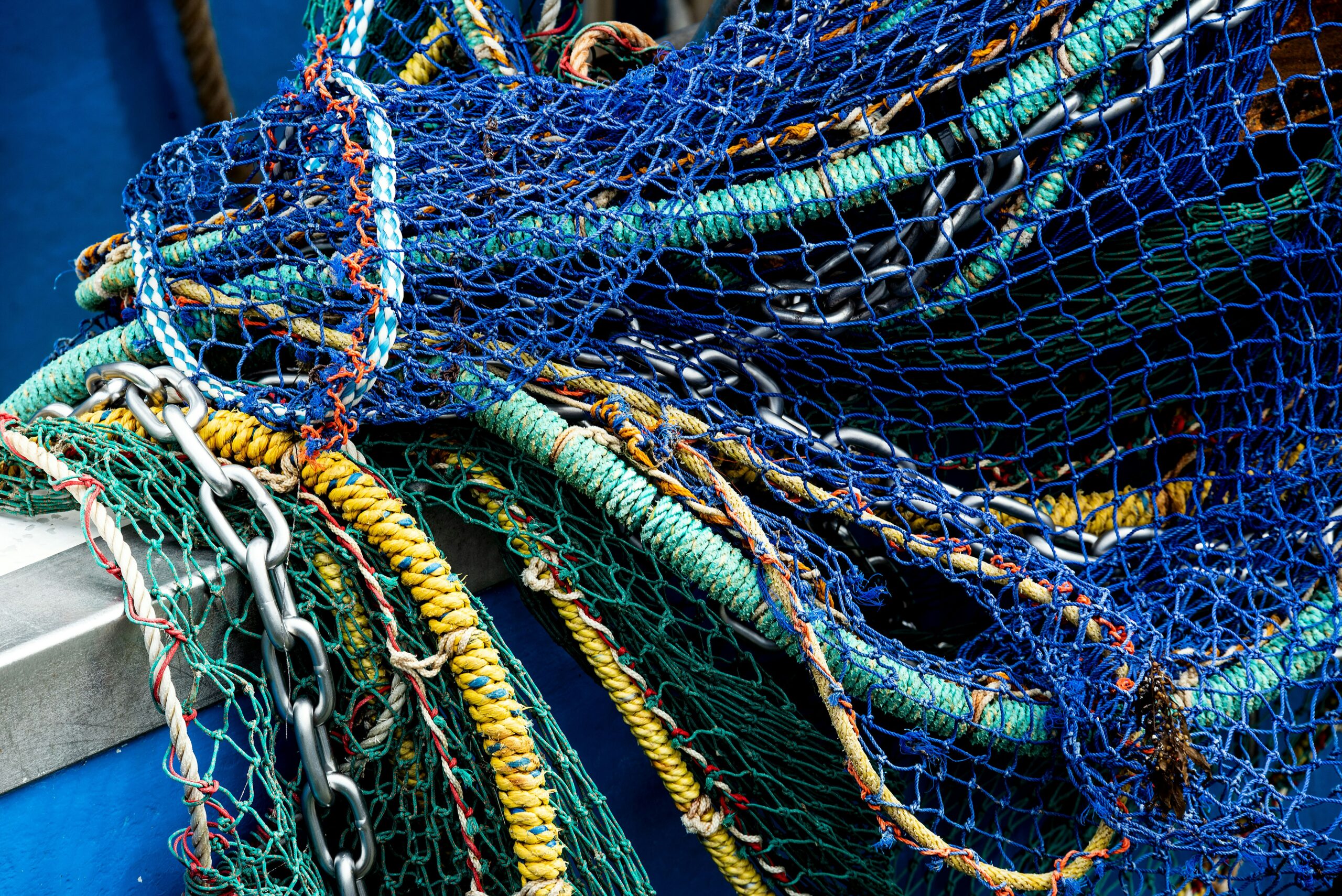
 Photo by David Clode
A new package of technical measures for demersal fisheries in the Celtic Sea, Irish Sea and English Channel has begun to take effect through fishing licence conditions, following agreement between the UK and EU on steps to rebuild depleted stocks. The Marine Management Organisation’s licence variation came into force at 00:01 on 1 November, with a second set of Irish Sea conditions following at 00:01 UTC on 26 November. Parallel changes have been made to Scottish vessel licences.
The measures stem from the UK-EU agreement reached in December 2025, when both sides concluded that catch limits alone would not be enough to recover cod, haddock, whiting, sole and plaice. According to The Fishing Daily, equivalent rules came into force on 1 June 2026, with those applying to the English Channel delayed until 1 November at the UK’s request.
Channel beam trawlers
In the parts of ICES divisions 7d and 7e within British fishery limits, beam trawlers must now use a minimum codend mesh of 90mm. Vessels of 12 metres or under with engines of 221kW or less are exempt, as are vessels fishing inside six nautical miles under the jurisdiction of an Inshore Fisheries and Conservation Authority.
Celtic Sea Nephrops
In the Celtic Sea, vessels whose catch is 30% or more Nephrops must use an 80mm codend fitted with one of four selectivity devices: a 300mm square mesh panel, a Seltra panel, a Nordmøre sorting grid with a maximum bar spacing of 35mm, or a Netgrid device. Smaller inshore vessels fishing within 12 nautical miles in ICES area 7e east of 5°W may instead fish under the EU’s technical measures regulation. The MMO has published updated gear guidance for the fishery.
Irish Sea from 26 November
The most significant change applies to bottom trawls and seines in the Irish Sea (ICES division 7a) from 26 November, replacing the previous conditions that applied only in the Northern Ireland zone. Vessels catching more than 30% Nephrops must use an 80mm codend (70mm for single-rig vessels) with an approved selectivity device, including a 200mm square mesh panel option for vessels of 12 metres or under. Vessels of 12 metres and over whose catch is more than 10% haddock, cod, skates and rays combined must use either a 120mm codend or an eliminator trawl with 600mm large mesh panels and a 100mm codend. Those below that threshold must use a 100mm codend with a 100mm square mesh panel.
The new conditions allow any alternative gear that a fisheries administration assesses as at least as selective for cod, haddock and whiting to be used instead. The variation also removes the Foula Deeps A seasonal closure from licence conditions.
Further change likely
The package may not be the last. A European Commission delegated act transmitted to the Council in October would enhance existing remedial measures for vulnerable gadoids in the Celtic and Irish Seas and introduce additional measures for sole and plaice in the Channel, reflecting what it describes as the concerning state of fish stocks across the three areas. Vessel owners are reminded by the MMO that it is their responsibility to check licence variations before going to sea.