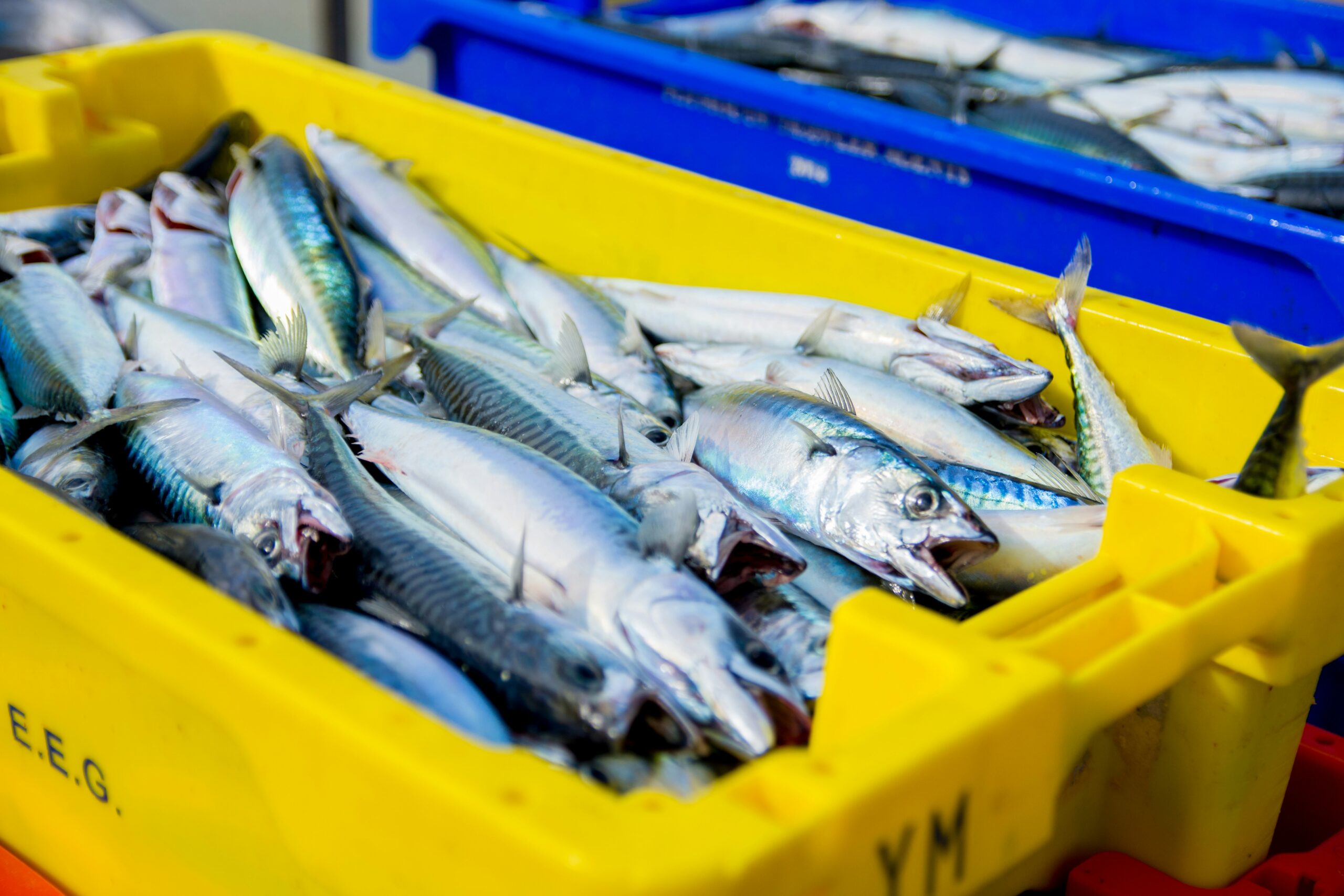
Photo by Richard Bell
UK and foreign vessels landed more than 356,300 tonnes of fish and shellfish, worth £789.7 million, between January and September 2026, according to provisional figures reported by The Fishing Daily. The totals cover UK-registered vessels landing at home and abroad, and foreign vessels landing into UK ports. They come from the latest provisional release of UK landings data.
Where the value lies
Demersal fish earned the most, at £324.2 million from 94,058 tonnes, followed by shellfish at £268.9 million. Pelagic species made up the largest volume, at 177,618 tonnes worth £196.6 million. Mackerel remained the most valuable single species at £116.7 million, followed by Nephrops at £81.7 million. Haddock, cod, herring and scallops each earned between £51 million and £55 million.
UK-registered vessels accounted for 97.8% of the total value. Scottish vessels earned £449.7 million and English vessels £261.8 million. Peterhead remained the UK’s leading port, handling 92,253 tonnes worth £175.3 million, ahead of Lerwick, Newlyn, Fraserburgh and Brixham. Nearly 30% of the UK fleet’s recorded catch by weight, worth £145.8 million, was landed directly into foreign ports. Norway, Ireland, the Netherlands and Denmark were the main destinations.
Vessels over 10 metres generated 88.3% of the total value, while the inshore fleet of vessels 10 metres and under earned £92.6 million. Landings for English, Welsh and Isle of Man inshore vessels are now compiled mainly from sales notes, following a change in method in late 2025.
A picture with gaps
The figures come with an important caveat. An ongoing technical fault in the Scottish Government’s fisheries management database means a significant volume of Scottish landings is missing, particularly mackerel and herring. The published totals therefore understate the true volume and value of UK landings.
It is the same problem we reported on 3 November, when the UK Sea Fisheries Statistics lost their accredited status. Manual amendments are being made to the annual statistics and to quota monitoring. However, the missing 2026 records will not be fully added to the public dataset until the final 2026 statistics report is published in autumn 2027. Until then, the provisional figures are best read as a minimum, and the Scottish pelagic picture as the least complete.