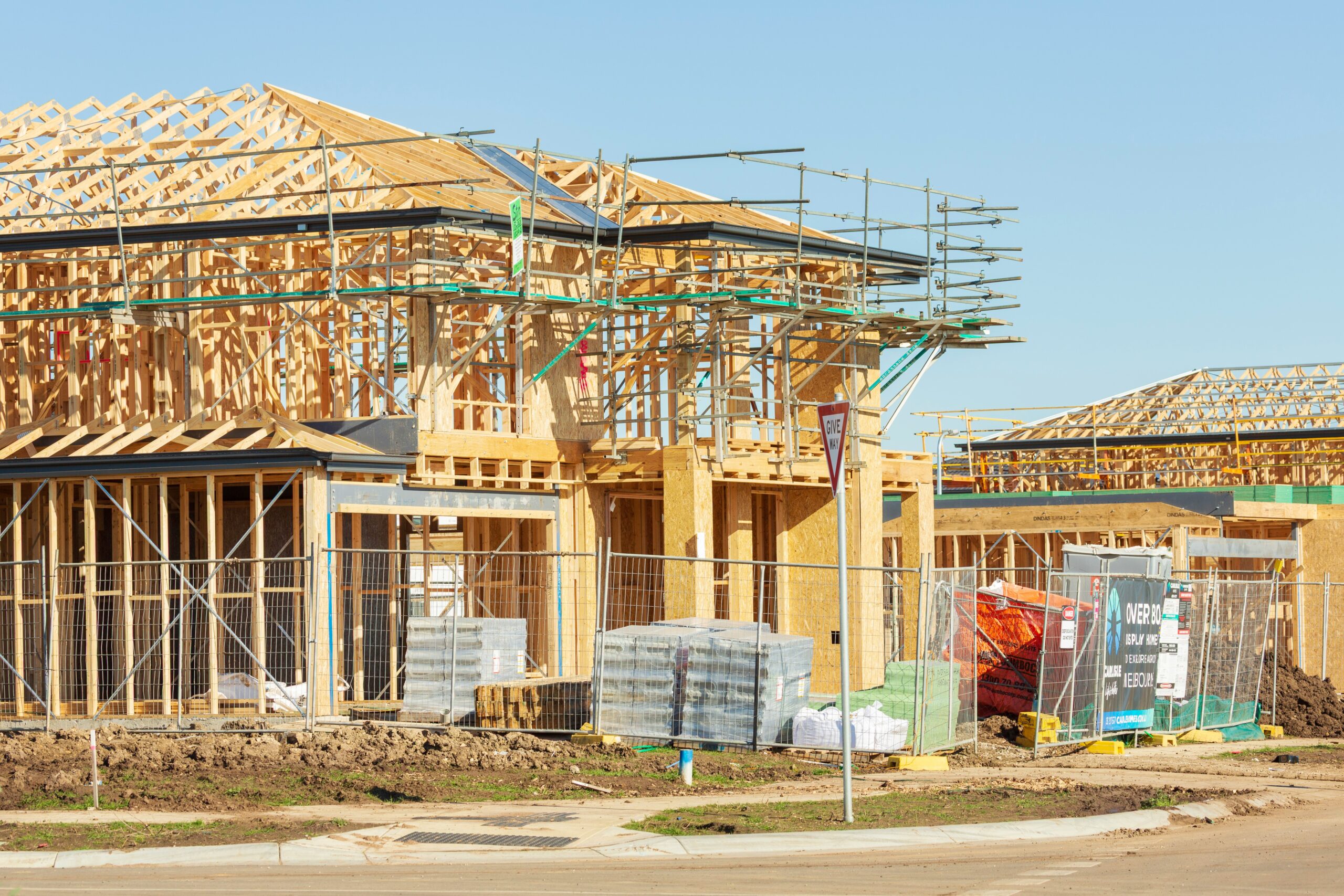
 Image description: Wooden house frame under construction. Photo by Troy Mortier on Unsplash
A landmark plan and contested approach
The government’s first Environmental Delivery Plan (EDP), produced under the Planning and Infrastructure Act and covering the River Wensum and the Yare and Bure catchments in Norfolk, is currently out for public consultation. The plan is intended to enable more than 15,000 new homes to be built in the area over the next decade while addressing nutrient pollution in three protected river systems. Under the proposed mechanism, developers would pay a Nature Restoration Levy, with funding channelled to Natural England to deliver conservation measures at scale. The government describes the EDP as a new model for supporting nature recovery alongside development. The consultation closes on 27 October 2026.
The Wildlife Trusts’ concerns: pollution traded for wider benefits
The Wildlife Trusts has published a detailed analysis of the draft EDP, raising significant concerns about whether the proposed measures will adequately protect the three catchments from phosphorus pollution. The organisation’s analysis suggests that the plan could allow phosphorus levels to increase in all three rivers – by an estimated 0.2% in the Wensum, 0.4% in the Yare, and 1.2% in the Bure- even after conservation measures are applied. While these figures may appear modest, the Wildlife Trusts argues that even small increases could be sufficient to tip already-struggling rivers into ecological collapse, particularly when combined with existing pollution from agriculture. The proposed measures, including fen and wetland restoration, agricultural land use changes, river restoration and deer management, are estimated to offset around 66% of phosphorus pollution from new homes in the Bure catchment, and around 30-40% in the Yare and Wensum, though the Wildlife Trusts describes the figures presented in the EDP as incomplete and difficult to assess.
A fundamental objection to the underlying principle
Beyond the specific figures, the Wildlife Trusts raises a deeper objection to the EDP framework itself. The Planning and Infrastructure Act replaces strict Habitats Regulations requirements, which previously required developers to avoid causing harm to protected sites, with a weaker requirement to demonstrate “overall improvement.” The Wildlife Trusts argues this opens the door to specific, significant environmental harms being offset by generalised and speculative wider benefits. Matthew Browne, the organisation’s Head of Public Affairs, described the approach as “substitution rather than avoidance of harm,” warning it could set England on a path towards further environmental decline. He also criticised the EDP process as inherently top-down, potentially overriding locally developed nutrient mitigation schemes, such as those in the Solent, that have already proved effective.
What the Wildlife Trusts wants to see instead
The organisation’s analysis proposes a greater focus on reducing phosphorus pollution at source. Specific measures it argues should be included are: upgrades to private sewage systems for homes not connected to mains drainage; further improvements to sewage treatment works; interceptor wetlands below treatment works to provide additional phosphorus removal; and the wider application of Sustainable Drainage Systems (SuDS) across both new and existing development. The Wildlife Trusts also calls for a broader range of organisations to be involved in delivering EDP measures, citing concerns from ecological consultancies that the centralised model could diminish the wider ecological sector’s role in nature recovery.
The government and Natural England’s position
The government describes the Norfolk EDP as the first of its kind and says it is designed to establish a scalable approach for supporting nature recovery alongside development nationally. Natural England, which produced the draft plan, has been acknowledged by the Wildlife Trusts for sequencing measures thoughtfully and prioritising upfront funding, improvements the organisation attributes in part to amendments secured by parliamentarians during the passage of the Planning and Infrastructure Act. The consultation process represents an opportunity for these concerns to be addressed before the plan is finalised.
What this means for the water sector
The outcome of this first consultation will set important precedents. The Norfolk EDP explicitly identified phosphorus pollution from sewage as a key threat to the three catchments, and measures to upgrade treatment infrastructure feature in both the draft plan and the Wildlife Trusts’ proposed improvements. The EDP model, if rolled out nationally, could reshape how nutrient neutrality obligations are managed in relation to new development, with implications for how water companies engage with planning processes, invest in treatment capacity, and participate in catchment-scale nature recovery programmes.
Read more
Respond to the consultation: closes on 27 October 2026.
The Wildlife Trusts: Full analysis
Water Magazine: Further coverage of the Wildlife Trusts’ analysis.